Brazil and the Netherlands share a trade-driven relationship built on agribusiness, port logistics,
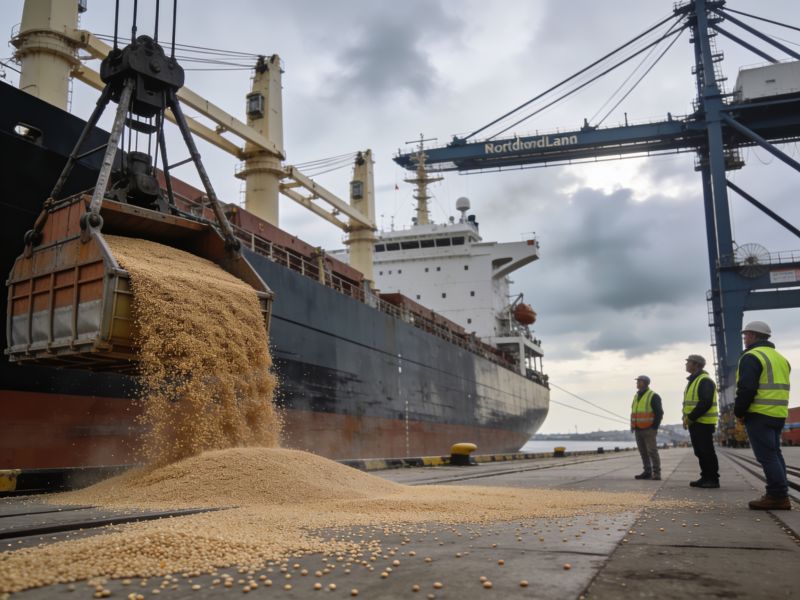
Dutch traders first set foot in Brazil in the 1620s, and by 1630 they controlled Recife, a city they called Mauritsstad. That colonial episode ended in 1654, but the commercial DNA it planted never fully left. Today, the Netherlands is Brazil's second-largest European trading partner after Germany, and the relationship runs deeper than soybean shipments—it's a quiet, practical alliance built on ports, agribusiness。and a shared discomfort with grand geopolitical rhetoric.Walk through the Port of Rotterdam and you'll notice something curious: a steady flow of Brazilian agricultural goods—soybean meal, coffee。orange juice concentrate—moving into European distribution networks run by Dutch logistics firms. Brazil and the Netherlands have turned this into a logistics duopoly of sorts. The Dutch provide the infrastructure and the trade finance;Brazil provides the volume. In 2023 alone, bilateral trade hit roughly $12 billion, with the Netherlands importing over $9 billion worth of Brazilian products. I've watched Dutch traders describe their Brazilian counterparts as 'the easiest people to do business with in South America'—punctuality aside, they mean it.
But there's friction. The Netherlands has been vocal in EU discussions about deforestation-linked imports, particularly soy and beef from the Cerrado. Brazilian exporters grumble, yet many quietly comply with Dutch buyers' sustainability clauses because the Dutch pay on time and don't haggle over quality specs. A Rotterdam-based commodities trader told me last year that 'the Dutch don't moralize at the table—they put the standards in the contract and move on.' That's a working relationship, not a friendship.Migration adds a human layer. Around 50,000 Brazilians live in the Netherlands。
concentrated in Amsterdam and Rotterdam. They've built a niche in food service and tech contracting, and their annual Brazilian Day festival in Rotterdam draws thousands. It's not a headline story, but it's the kind of quiet social infrastructure that makes commercial ties stick.Looking ahead。the Brazil and the Netherlands relationship will be tested by EU regulatory shifts and Brazil's own political cycles. Yet the fundamentals—ports, agri-supply chains, and a mutual preference for deal-making over declarations—suggest this partnership will keep grinding forward. No fireworks, no drama. Just cargo, contracts, and the occasional shared beer after a long negotiation.